


More and more homeowners across Berks County are taking a closer look at ductless HVAC systems as they consider their next heating and cooling upgrade. Mini split systems have become increasingly common thanks to their flexibility, efficiency, and ability to solve comfort issues in harder-to-condition spaces. At the same time, traditional central HVAC systems remain a dependable choice for many homes, especially those already equipped with ductwork. Both options can deliver reliable comfort, but the best fit depends on your home’s design, age, and long-term goals.
What Is a Ductless HVAC System?
A ductless HVAC system, often called a mini split, uses an outdoor unit connected to one or more indoor air handlers mounted on the wall or ceiling. Each indoor unit operates independently, allowing you to heat or cool specific rooms without relying on a full ductwork network.
Because these systems don’t require ducts, they’re a strong match for older homes in Berks County, additions that were never tied into the existing HVAC system, converted attic or basement spaces, and rooms that never seem to stay as warm or cool as the rest of the house.
How Traditional HVAC Systems Work
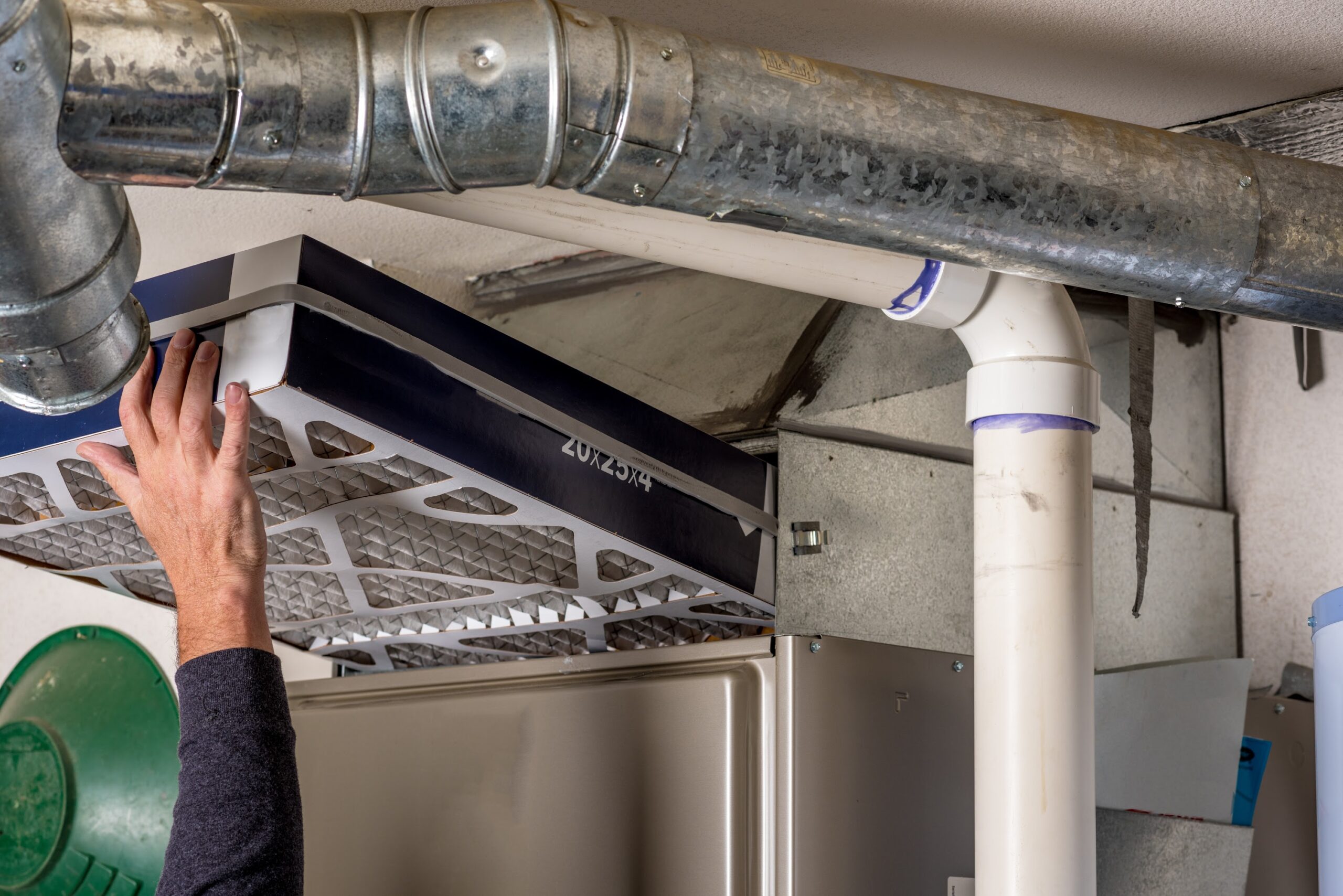
Traditional HVAC systems rely on ductwork that distributes heated or cooled air throughout the home. Most Berks County homes use either a furnace paired with central air conditioning or a whole-home heat pump connected to the same duct network. Air travels through supply and return vents in every major room, creating consistent temperatures from one level of the home to another.
These setups work especially well in homes already built around a duct system or properties with open layouts that benefit from even, whole-house airflow.
Key Differences Between Ductless & Traditional Systems
Whether you’re planning an upgrade or exploring options for a renovation, it helps to understand how these two approaches compare. Both offer reliable heating and cooling, but their strengths differ in several important ways.
- Energy efficiency: Ductless HVAC systems avoid energy loss through ductwork, enabling many mini-split systems to operate more efficiently than traditional setups.
- Installation complexity: Ductless units require only small line-set openings, while installing or modifying ductwork for a traditional system can take significantly more labor and time.
- Temperature zoning: Mini splits allow individualized control in specific rooms, while traditional systems typically heat and cool the entire home with a single thermostat.
- Upfront cost vs. long-term savings: Traditional HVAC systems can be less expensive to install in homes with existing ductwork, but ductless systems often provide ongoing energy savings over the life of the system.
- Home size/layout considerations: Larger homes with multiple floors often benefit from central HVAC. In contrast, homes with uneven temperatures or hard-to-condition rooms may see better results with ductless equipment.
It’s also worth noting that ductless HVAC systems are often chosen for targeted comfort improvements, while traditional HVAC serves as an all-in-one, whole-home solution.
Which System Is Better for Your Berks County Home?
Choosing between a ductless HVAC system and a traditional system depends on your home’s characteristics and what you want your system to accomplish. No single approach works for everyone, so it helps to look at a few key factors.
Consider the following factors:
- Home age: Older homes without ductwork are ideal candidates for ductless heating and cooling, while homes built with well-designed duct systems often perform well with traditional HVAC.
- Existing ductwork: If your ductwork is in good condition, a traditional furnace with central AC or a heat pump can be cost-effective. When ductwork is damaged, outdated, or missing entirely, mini split systems offer a simpler solution.
- Room-by-room comfort needs: Homes with hot and cold spots, sunrooms, or finished basements often benefit from ductless HVAC, while homes with uniform airflow typically do well with central systems.
- Budget and long-term goals: Traditional HVAC can be more affordable upfront, but ductless HVAC may lower monthly utility bills and reduce energy waste over time.
Get Expert Help Choosing the Best HVAC System for Your Home
Both ductless and traditional HVAC systems can deliver dependable comfort, but the right choice comes down to how your home is built and how you want it to feel year-round. Whether you’re interested in high-efficiency mini split systems or a full central HVAC upgrade, the licensed and certified technicians at B&L OTT can walk you through every option. We’ve been offering expert AC and heating services in Berks County for over three decades. With free replacement estimates, upfront pricing, and HVAC maintenance plans to keep your new system running smoothly, our team makes it easy to feel confident in your choice.
Contact B&L OTT today to schedule HVAC service or request an HVAC installation estimate in Berks County.